Phone:
(206 ) 992-71256
Physical address:
Everett, Washington
Email address:
info@whiskerfoundation.org

Phone:
(206 ) 992-71256
Physical address:
Everett, Washington
Email address:
info@whiskerfoundation.org
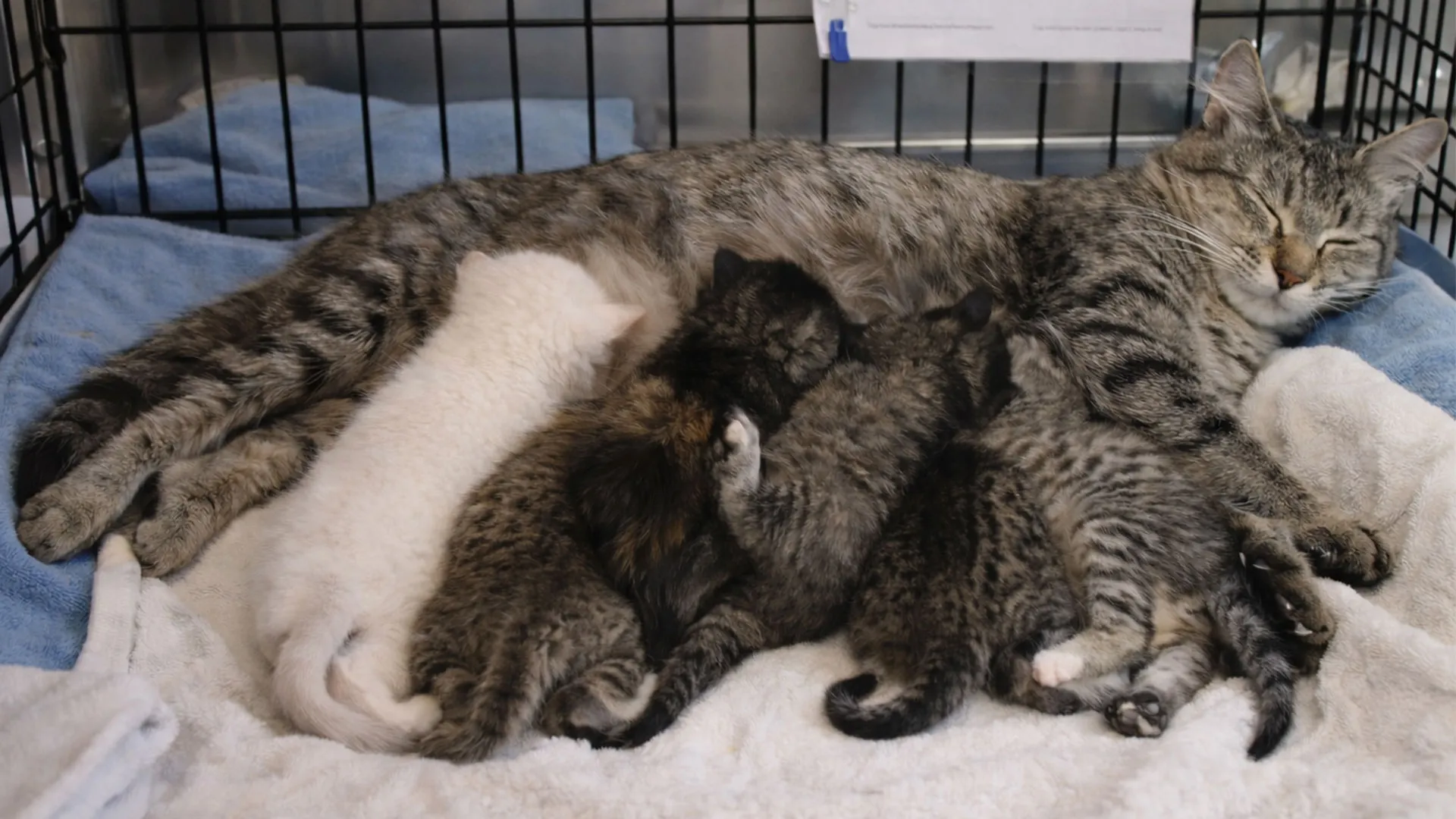
Free kittens may seem harmless, but they are often separated from their mother too early, have not received veterinary care, and are given to adopters without any screening. Without vaccinations, parasite treatment, or proper socialization, kittens can face serious health and safety risks. Free listings also make it impossible to ensure the kittens are going to responsible homes, which can contribute to neglect, abandonment, or continued cycles of cat overpopulation.
Kitten season is coming to Washington, and every year, I know what I’m going to see. The posts begin quietly at first. Someone shares a photo of tiny kittens and writes, “Free to good home.” Another says, “Need gone today.” Sometimes the tone is hopeful. Sometimes it’s stressed. Almost always, it feels urgent.
Most people posting these ads are not irresponsible. They are overwhelmed. Their cat slipped outside while in heat. The crying was nonstop. A roaming male found her. A few weeks later, there are kittens in a laundry basket, and suddenly the situation feels bigger than expected.
What many people don’t anticipate is how quickly the costs add up. A pregnant cat needs more food to stay healthy. After the kittens are born, her appetite increases even more because she is nursing. Once the kittens begin eating on their own, the food bill can double or even triple. Quality kitten food is not inexpensive, especially when multiple growing kittens are eating several times a day.
Then there is litter. Kittens go through far more litter than most people expect. Multiple litter boxes need to be cleaned constantly to prevent illness and odor. The cost of litter alone can become overwhelming within just a few weeks.
And that does not even include veterinary care. Kittens need vaccinations to protect them from serious diseases. They often need parasite treatment. They must be spayed or neutered before placement to prevent the cycle from repeating. Those medical costs are significant, especially for an entire litter.
What started as one unplanned pregnancy can quickly turn into hundreds, sometimes thousands of dollars in care. For many families, that financial pressure creates urgency. And urgency is often what leads to “free to good home.”
But that is where the real danger begins.
When kittens are listed online for free, there is no screening, no agreement, no accountability, and no way to truly know who is taking them. Many people who respond are kind families. But not everyone searching for free kittens has good intentions.
Individuals who breed irresponsibly often look for free cats to produce more litters for profit. Hoarding situations frequently begin with “just one more” free animal. Some people take free kittens and resell them days later.
There are also darker realities that are uncomfortable to talk about but very real. Free kittens are sometimes taken as feeder animals for large snakes or exotic predators. They are sometimes used as bait animals in dog-fighting operations. People involved in cruelty deliberately search for animals that are easy to obtain and untraceable. They do not respond to reputable rescues that require applications and adoption fees. They search specifically for free.
A rehoming fee does not guarantee safety, but it creates a barrier. It slows down impulse decisions and discourages people who do not want to answer questions. That pause alone can protect a life.
Many of these situations begin with a cat in heat. Anyone who has lived with an unspayed female knows how intense it can be. The crying feels constant. She throws herself at doors and windows. She tries to escape the moment a door opens. It is exhausting and stressful for everyone in the house.
Letting her outside can feel like the quickest way to make it stop, but that decision almost always leads to pregnancy. A female in heat releases strong pheromones that can attract male cats from surprising distances. Within days, unfamiliar males may circle the property, spray, fight, and yowl through the night.
In Washington, especially in Snohomish County and surrounding areas, this activity can also attract predators. Coyotes move through neighborhoods, parks, and greenbelts, even in busy suburban areas. A vocal, distracted cat outside at night is extremely vulnerable. The scent and sound can draw attention from nearby predators. Raccoons, roaming dogs, and large birds of prey also pose risks, particularly to smaller or younger cats. Once a female cat is outside while in heat, she is not just at risk of pregnancy. She is at risk of injury or death.
Spaying eliminates the heat cycle entirely and protects her from serious health risks, including uterine infections and certain cancers. More importantly, it prevents the entire chain reaction before it begins.
Unneutered male cats contribute just as much to the problem. They roam much farther than most owners realize, often traveling miles. They fight, spread disease, and impregnate multiple females in a single season. One unneutered male can be responsible for dozens of kittens in a year. By mid-summer, shelters and rescues throughout Washington are overwhelmed.
In Washington, animal welfare laws fall under RCW 16.52, which addresses animal cruelty, neglect, and abandonment. While breeding itself is not automatically illegal, allowing animals to reproduce in ways that lead to suffering, abandonment, or neglect can quickly become both an ethical and legal concern.
Beyond the law, outdoor life is dangerous. Cats face traffic, predators, disease transmission, poison, territorial fights, and significantly shorter lifespans. When kittens are placed without screening and later pushed outside once they become inconvenient, the cycle continues.
It rarely stops on its own.
What concerns me most is how quickly free placements happen. A message comes in saying, “I’ll take one.” A meeting is arranged in a parking lot. No one asks about veterinary care, indoor safety, long-term plans, or financial readiness.
“Free to good home” is not a screening process. It is hope. And hope is not protection.
Cats bond deeply. Kittens who are rehomed multiple times in their first year often develop anxiety and behavioral challenges. Stability matters. Slowing down matters. Intentional placement matters.
If you find yourself with an unexpected litter of kittens, giving them away for free online may seem like the fastest solution. But there are safer, more responsible options that protect both the kittens and the community.
First, make sure the mother cat is spayed as soon as the kittens are old enough to be separated. This prevents future litters and helps break the cycle of accidental breeding that leads to overcrowded shelters each year.
Next, consider working with a local rescue organization that can help provide proper care and responsible placement. Kittens require veterinary exams, vaccinations, parasite treatment, and careful screening of adopters to ensure they are going to safe and permanent homes.
Rescues also help ensure kittens are old enough and properly socialized before adoption, which greatly improves their long-term health and behavior.
If you are unable to keep or place kittens responsibly, reaching out to a rescue can help ensure they receive the care and protection they need.
At Whisker Foundation, we often hear from people who unexpectedly find themselves caring for a litter of kittens and are unsure what to do next. Our goal is to provide a responsible alternative that protects both the kittens and the community.
Every kitten who comes through our rescue receives age-appropriate vaccinations, parasite treatment, a full health exam, spay or neuter surgery, and microchipping before adoption. We invest time in socialization and careful screening to ensure long-term stability.
What many people do not realize is that our adoption fee does not even cover the full cost we invest in each cat. A single spay or neuter surgery alone often costs as much as, or more than, our entire adoption fee. When you add vaccinations, exams, microchipping, food, litter, and daily care, the actual cost per kitten exceeds what we charge. The difference is covered through donations, fundraising, and personal commitment.
Our fee is not profit. It is protection. It creates accountability and ensures adopters are financially and emotionally prepared for the responsibility of a cat.
If your cat is unaltered, now is the time to schedule a spay or neuter. If you have kittens and are unsure what to do, reach out. We can help guide you toward responsible options and connect you with spay-and-neuter resources here in Washington.
Kitten season will arrive whether we are ready or not. The difference is whether we respond quickly — or thoughtfully.
Whisker Foundation is here to help protect kittens before they become another “free” post online.
This article was written by the team at Whisker Foundation, a Washington-based nonprofit cat rescue focused on education, prevention, and responsible adoption. Our team regularly works with lost cats, kitten season cases, and spay and neuter programs in Everett and throughout Snohomish County and surrounding communities.
Whisker Foundation is a 501(c)(3) nonprofit dedicated to reducing cat overpopulation through education, rescue, and community support. Our goal is to help cat owners understand the behaviors and risks that can lead to cats going missing and provide practical steps to help keep pets safe.
Many kittens are born from unspayed cats or accidental litters. Owners often give them away quickly to avoid the cost of veterinary care or spay/neuter surgery. Unfortunately, this can lead to kittens going to homes that are unprepared for their care.
Sometimes—but there are risks. Free kittens may not have received:
Kittens should stay with their mother until at least 8 weeks old. Early separation can lead to health issues and behavioral problems because kittens learn critical social skills from their mother and littermates.
Adoption fees help cover:
Responsible rescues invest significant veterinary care before placing kittens in homes.
If possible:
Consider adopting through a rescue or shelter where kittens receive medical care.