Phone:
(206 ) 992-71256
Physical address:
Everett, Washington
Email address:
info@whiskerfoundation.org

Phone:
(206 ) 992-71256
Physical address:
Everett, Washington
Email address:
info@whiskerfoundation.org
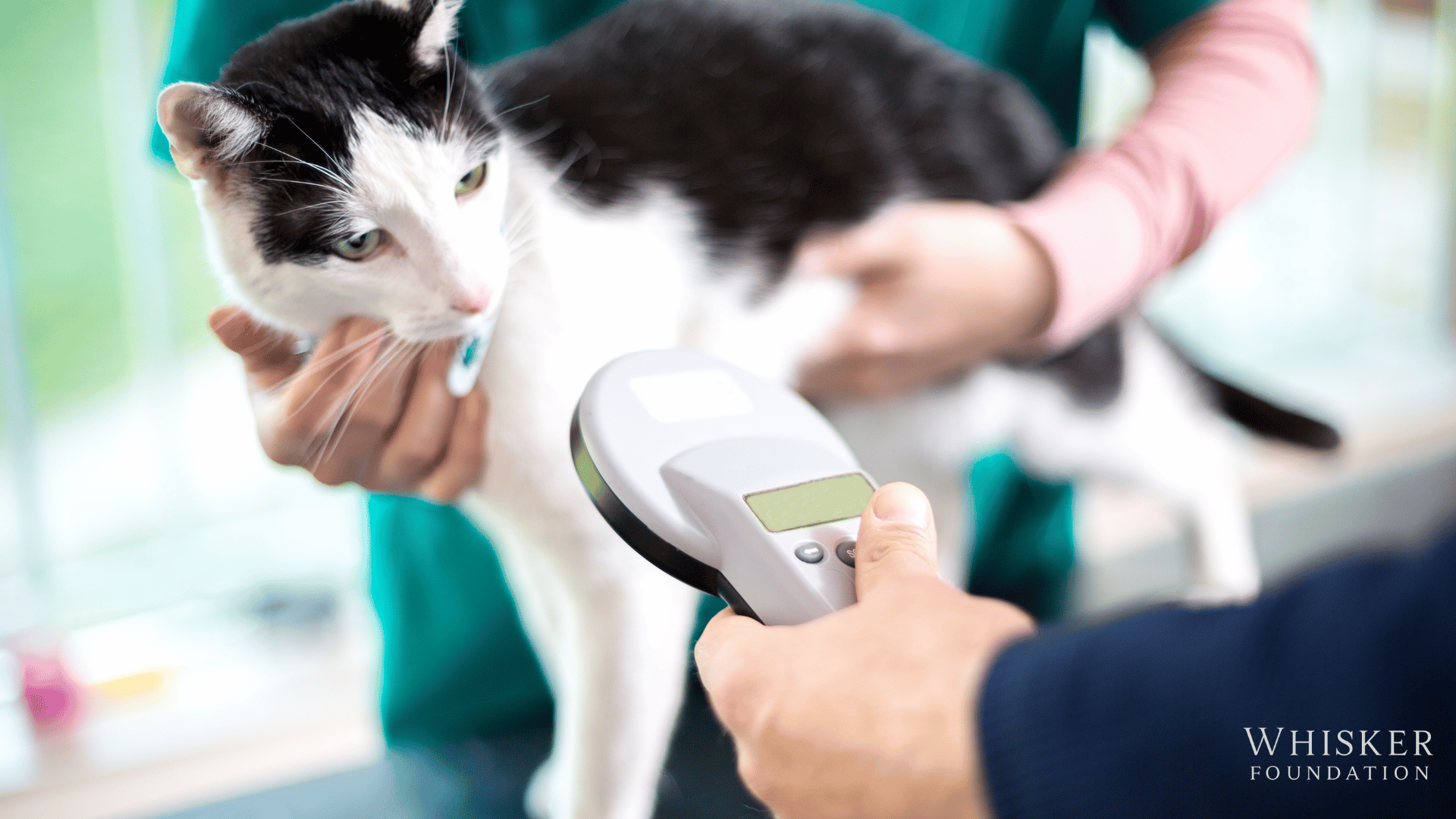
Microchip identification gave Luna’s family a sense of reassurance when she slipped out the door one evening—even as they felt completely heartbroken.
“She’s microchipped,” they kept telling themselves. “If someone finds her, they’ll call us.”
Flyers went up. Social posts were shared. Local shelters were notified. Weeks passed with no word.
Eventually, Luna was found and brought to a veterinary clinic, where her microchip was scanned immediately.
But when staff tried to contact the owner listed on the chip, the phone number was disconnected. The email address bounced back. The physical address no longer existed.
Although Luna had been microchipped, the information tied to her microchip was years out of date—and in this case, it had never been updated since the day the microchip was implanted.
Many people believe a microchip automatically protects a pet for life. In reality, a microchip is not a tracking device and it does not update itself.
A microchip simply stores a number. That number links to a registry record containing the owner’s contact information.
If that information is outdated—or was never registered in the first place—the microchip can’t help reunite a lost cat with their family.
A caregiver recently attempted to add two newly rescued kittens to their microchip registry account and discovered a troubling situation.
Instead of one accurate record, there were multiple accounts associated with the household. Across those accounts were:
The cats had come from multiple shelters over the years, and while each had been micro-chipped, some records had not been updated in years—and others had never been updated after implantation.
If any of those cats were to go missing, the microchip scan could easily point to the wrong person—or no one at all.
One cat in the household clearly illustrated the risk.
She had been adopted from a shelter years earlier and later surrendered into another caregiver’s care. Since the original adoption:
Her microchip information had not been updated since the day it was implanted.
As a result, the microchip would provide no meaningful help if she were found today—unless the registry information is corrected.
Microchip registries use safeguards to prevent fraudulent ownership changes. Because of this, updating primary contact information isn’t always as simple as logging in and editing a profile.
In some cases, caregivers may be asked to provide:
Until that verification is provided, the microchip remains tied to outdated information.
This situation is far more common than many pet guardians realize.
Microchip records become inaccurate when:
While shelters and veterinarians implant microchips, only the registered owner can ensure the information stays current.
To make sure a microchip can actually bring a cat home, Whisker Foundation recommends the following best practices:
Ask your veterinarian or shelter to scan your cat’s microchip and confirm:
At least once a year, confirm that:
Moving, changing phone numbers, or switching email providers should always trigger a microchip update.
If a cat is surrendered or rehomed:
This documentation may be required to update registry records.
If you’re unsure which registry your cat’s microchip is listed with, your veterinarian or local shelter can scan the chip and help identify it.
Many cats are registered with one or more of the following databases:
HomeAgain – https://www.homeagain.com
PetLink – https://www.petlink.net
Found Animals Registry – https://www.foundanimals.org
Tip: Some pets are listed in multiple registries. Always verify and update every record associated with your cat.
Microchips save lives—but only when the information connected to them is accurate and current.
Luna’s story is a powerful reminder that microchipping is not a one-time task. It’s an ongoing responsibility that continues long after implantation.
If it’s been years since you checked your cat’s microchip information—or if it was never updated after implantation—now is the time.
Because when a cat is lost, accurate information can mean the difference between staying lost and finding their way home. 🐾
Educational guidance like this is part of Whisker Foundation’s commitment to helping cats stay safe and find their way home when the unexpected happens. Learn more about our mission at whiskerfoundation.org.
Microchip policies and update requirements vary by registry. Documentation may be required to verify ownership or transfer of care.