Phone:
(206 ) 992-71256
Physical address:
Everett, Washington
Email address:
info@whiskerfoundation.org

Phone:
(206 ) 992-71256
Physical address:
Everett, Washington
Email address:
info@whiskerfoundation.org
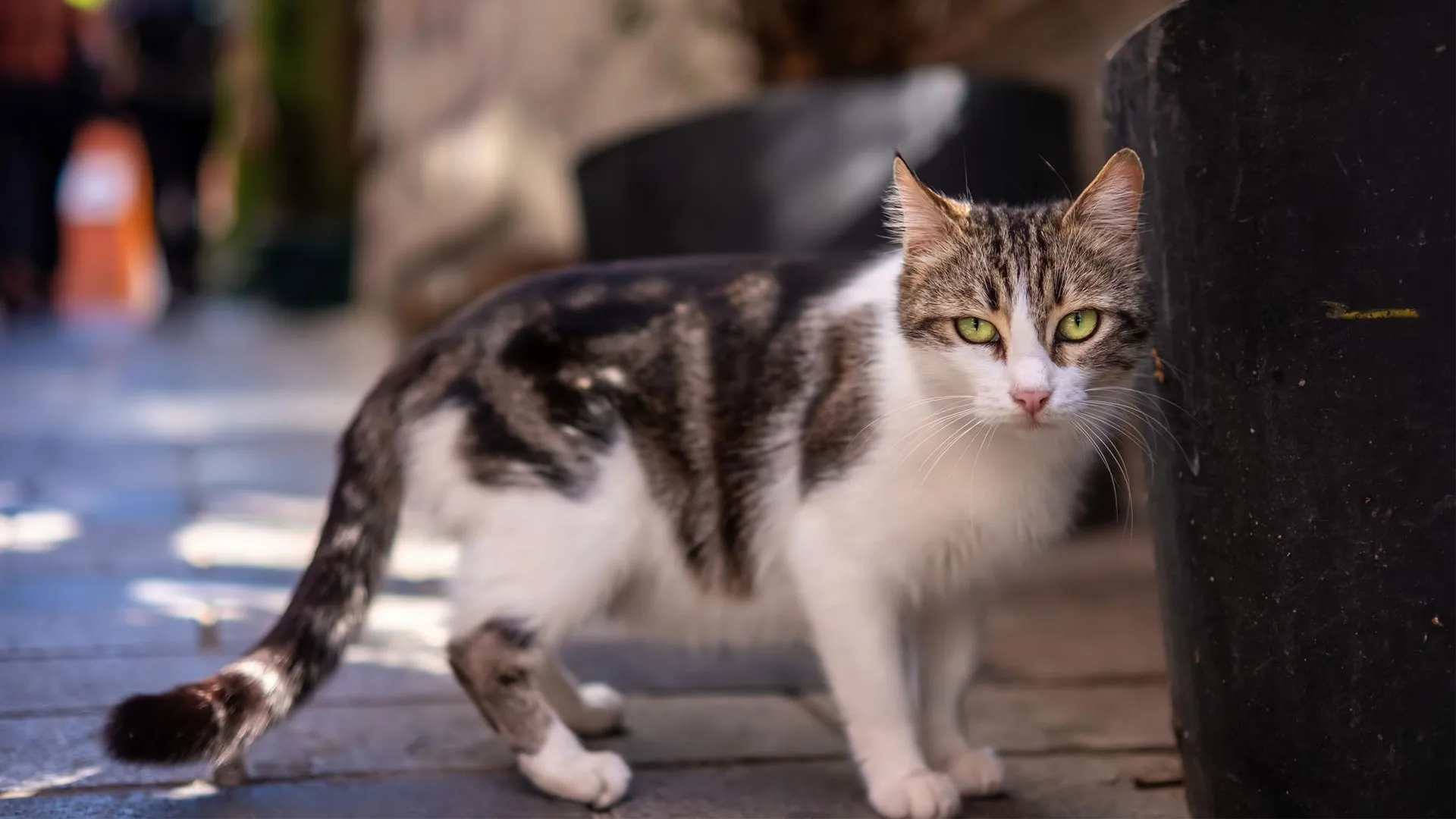
Unaltered cats are far more likely to roam because their reproductive instincts drive them to search for a mate. Male cats may travel long distances after detecting a female in heat, and female cats in heat often try to escape outside. Once cats roam far beyond their normal territory, the chances of injury, predators, or becoming lost increase significantly.
Cats most often go missing because unaltered cats roam far from home in search of a mate. This roaming behavior increases the risk of injury, predators, traffic, and becoming lost in unfamiliar areas.
Many people are shocked when a normally affectionate cat suddenly disappears. When a missing cat situation happens, owners are often left wondering what went wrong.
In most cases, something happened that allowed the cat to slip outside. A door was left open for a moment. Someone was bringing in groceries. A window screen was loose. Sometimes the cat had already been trying to escape for days.
When a cat is in heat, the behavior can become intense. They cry loudly, pace through the house, and push against doors and windows. Some cats will sit by the door waiting for the smallest opportunity to run outside. Owners often describe this time as exhausting because the cat seems completely focused on getting out.
Cats in heat are driven by powerful instincts, and once they detect a nearby mate, they can become very determined to escape. Even careful owners can struggle to keep a cat indoors during this time. It only takes a few seconds — a door opening, a visitor arriving, or someone stepping outside — for a determined cat to slip through.
Once outside, instinct quickly takes over. Unspayed or unneutered cats will actively seek out a mate. They may follow scent trails through yards, across streets, and into unfamiliar neighborhoods. Unaltered cats are far more likely to roam long distances because their reproductive hormones drive them to search for a mate.
What begins as a quick dash outside can turn into hours — or even days — of wandering. Once cats travel far beyond their normal territory, the chances of injury, getting trapped, or encountering predators increase. That is when a missing cat situation often begins.
Yes. Cats that have not been spayed or neutered roam much farther than altered cats. Male cats are especially known for wandering long distances when they detect a nearby female in heat. Female cats may also try to escape outdoors during their heat cycle.
Male cats can detect the scent of a female in heat from surprising distances, which causes them to leave their normal territory and begin searching. Once this instinct begins, their normal routine changes. A cat that usually stays close to home may suddenly start traveling through several neighborhoods.
Roaming behavior during mating season is also one of the main reasons shelters and rescues begin seeing a surge in kittens later in the year during kitten season.
Unaltered cats can travel much farther than most people expect. Some male cats will roam several miles in search of a mate. They follow scent trails left by females and may stay near that area for days.
When cats roam far from home, they can quickly lose track of familiar surroundings. Even indoor cats that escape during mating season may continue wandering instead of returning home right away. This is one reason so many people begin posting about missing cats during the spring and early summer months.
When cats travel far from their normal territory, the risks increase dramatically. They may encounter other cats and become injured during fights. They may cross busy roads or wander into unfamiliar yards. In some parts of Washington, roaming cats may also encounter predators such as coyotes.
The farther a cat travels from home, the greater the chance that something will prevent it from returning. Some cats become trapped inside garages, sheds, or crawl spaces. Someone may assume the cat is a stray and take it in.
At Whisker Foundation, we see this pattern every year during kitten season. Many missing cats reported in local community groups turn out to be unaltered males that began roaming after detecting a nearby female in heat.
Yes. Female cats in heat often try very hard to escape outside. They may cry loudly, become restless, and push against doors or windows. If a door opens even slightly, they may rush outside. You can learn more about the signs of a cat in heat from PetMD.
When a female cat goes into heat, she will actively seek a mate, which is why many cats escape during this time. Owners are often surprised by how determined their normally calm cat becomes during a heat cycle. This is also one of the most common ways unexpected litters begin — a single successful escape.
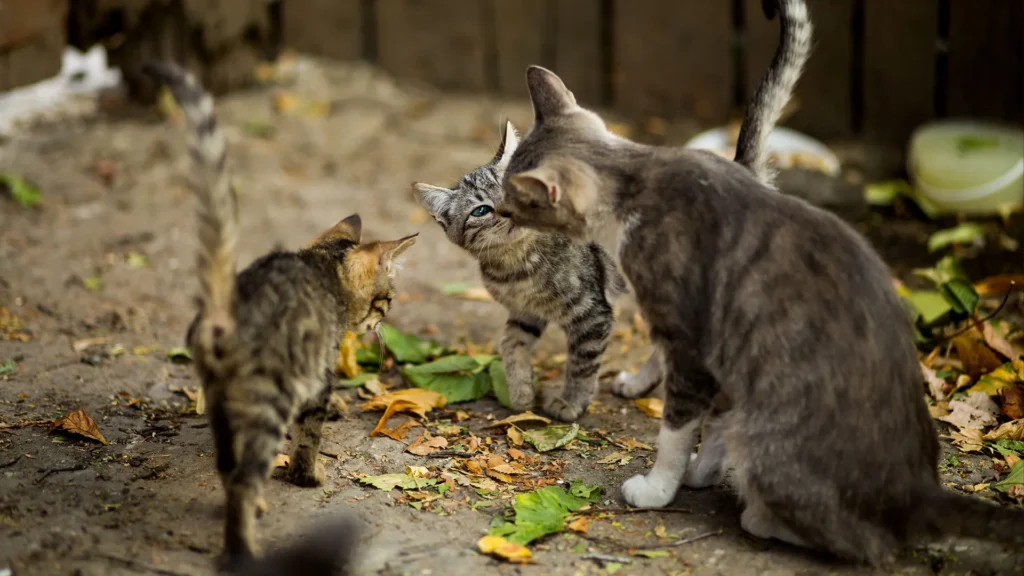
Spaying and neutering remove the hormonal drive that causes many cats to roam. Altered cats tend to stay closer to home and show fewer mating-related behaviors.
Spaying and neutering greatly reduce roaming behavior by removing the instinct to search for a mate. This not only helps prevent unwanted litters but also keeps cats safer. Spaying and neutering also reduce fighting, spraying, and other behaviors that often cause cats to leave their normal territory.
If you are looking for affordable options, many communities in Washington offer spaying and neutering resources.
Even careful pet owners can experience a cat slipping outside. That is why microchipping is so important.
Microchipping greatly increases the chances of reuniting a lost cat with its owner. Unlike collars, which can fall off, a microchip provides permanent identification. Shelters and veterinary clinics routinely scan animals for microchips to contact the owner.
You can learn more about how microchipping helps lost cats return home. For cats that roam or escape, this small step can make a major difference.
Communities across Washington often see an increase in missing cat posts during mating season. Many of these cases involve unaltered cats that began roaming after detecting a nearby female in heat.
Keeping cats indoors, spaying and neutering them, and microchipping them all help reduce the risk of a cat becoming lost. At Whisker Foundation, we encourage responsible pet care and preventative steps that keep cats safe and out of danger. Understanding why cats roam is one of the first steps in preventing them from disappearing.
During kitten season, rescues like ours see a surge of pregnant cats, newborn litters, and injured strays that need immediate care. Many of these situations begin with unaltered cats that slipped outside and never made it back home.
If you would like to help support the medical care, food, and supplies these cats need, please consider making a donation to Whisker Foundation. Your support helps us continue rescuing kittens, providing veterinary care, and educating our community about prevention.
This article was written by the team at Whisker Foundation, a Washington-based nonprofit cat rescue focused on education, prevention, and responsible adoption. Our team regularly works with lost cats, kitten season cases, and spay and neuter programs in Everett and throughout Snohomish County and surrounding communities.
Whisker Foundation is a 501(c)(3) nonprofit dedicated to reducing cat overpopulation through education, rescue, and community support. Our goal is to help cat owners understand the behaviors and risks that can lead to cats going missing and provide practical steps to help keep pets safe.
Unaltered cats roam farther because they are driven by powerful instincts to search for a mate. Male cats can detect the scent of a female in heat from long distances and may travel far outside their normal territory.
Male cats usually do not intentionally run away. However, they often roam widely while searching for females in heat. This roaming increases the chance of getting lost or injured.
Some unaltered male cats may travel several miles in search of a mate. The distance depends on nearby cats, available food, and territory.
Many cats go missing during mating season because unaltered cats roam more frequently. This roaming behavior increases the risk of accidents, predators, and becoming lost.
Neutering significantly reduces roaming behavior by removing the instinct to seek a mate. Altered cats usually stay much closer to home.
Spaying or neutering your cat, keeping them indoors, and microchipping them are three of the most effective ways to prevent a cat from becoming lost.
Whisker Foundation is a Washington-based nonprofit dedicated to rescuing cats, educating the public about responsible pet ownership, and supporting spay and neuter programs that prevent unwanted litters and reduce the number of homeless cats.