Phone:
(206 ) 992-71256
Physical address:
Everett, Washington
Email address:
info@whiskerfoundation.org

Phone:
(206 ) 992-71256
Physical address:
Everett, Washington
Email address:
info@whiskerfoundation.org
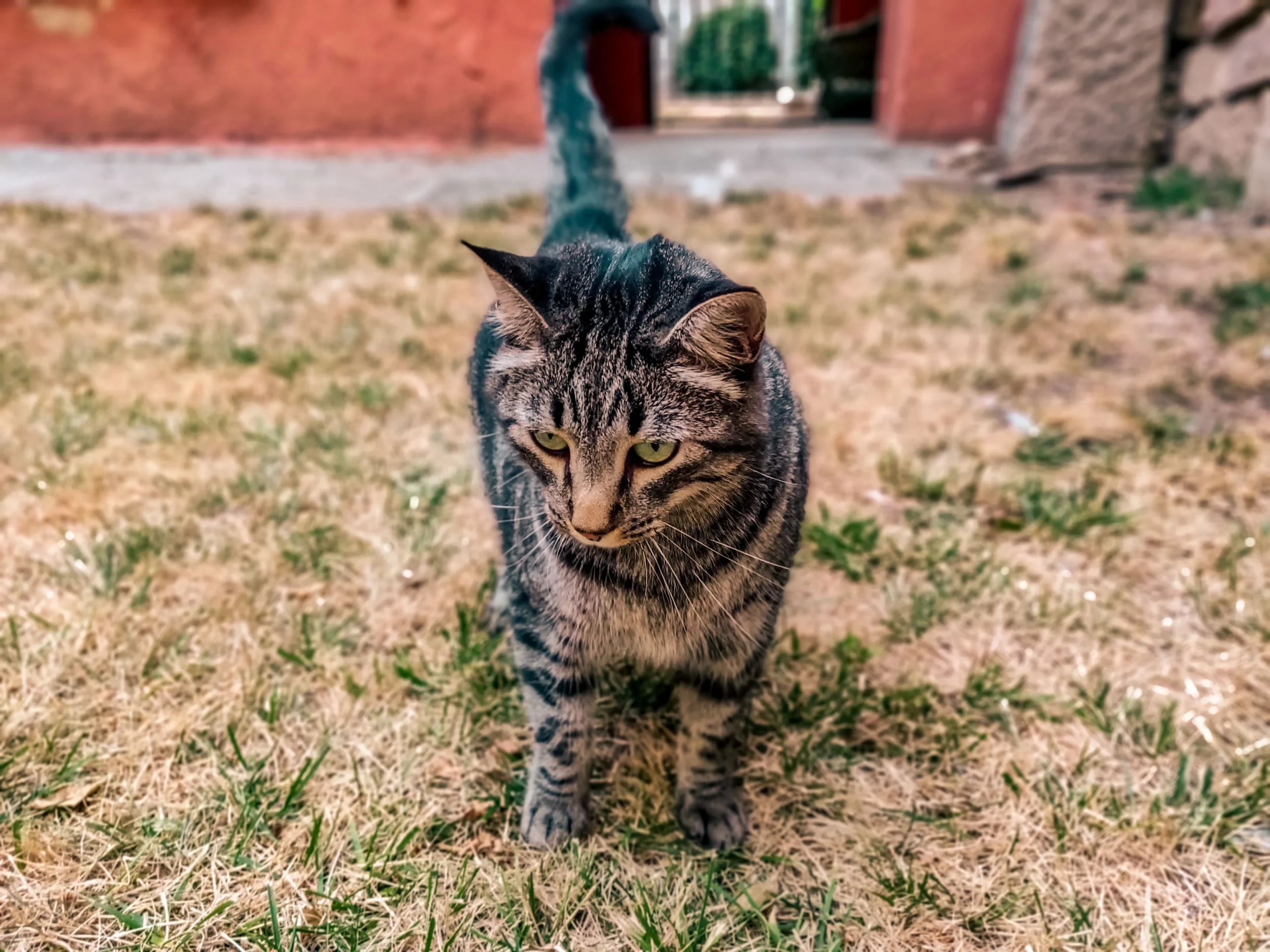
If your cat is scratching more than usual this season, you’re not imagining it. Across Washington State, fleas are surging — and the reason might surprise you. This year’s mild winter didn’t kill them off. It helped them thrive.
But don’t worry — there’s a simple, effective solution to protect your cat and your home.
At Whisker Foundation in Everett, WA, we care for rescued cats every day. Flea prevention is one of the first things we address — because once fleas take hold, they’re difficult to remove. The good news? With the right steps, they’re completely preventable.
In colder climates, long stretches of freezing temperatures naturally reduce flea populations. But in western Washington, winter temperatures often stay above freezing — and that means fleas never truly die off.
According to the Companion Animal Parasite Council, fleas remain active year-round in temperate climates like the Pacific Northwest.
Instead of going dormant, flea eggs and larvae survive in:
By spring, they’re already multiplying — faster than most pet owners expect.
Mild winter = earlier flea season + longer infestation window.
Here’s what makes fleas especially frustrating:
Only 5% of fleas live on your pet.
The other 95% live in your home environment as eggs, larvae, and pupae.
By the time you see fleas jumping on your cat — an infestation is already established.
The American Veterinary Medical Association warns that warmer weather is expanding flea activity nationwide.
Fleas can cause:
For rescue cats and young kittens, this can quickly become dangerous.
The most effective flea control method is simple:
Consistent year-round flea prevention.
Veterinarians now recommend flea prevention in Washington every month of the year — not just summer.
PetMD explains why continuous protection breaks the flea life cycle.
When combined with basic home care, prevention stops infestations before they start.
✔ Use veterinarian-approved monthly flea prevention
✔ Wash cat bedding weekly
✔ Vacuum carpets and furniture regularly
✔ Keep outdoor grass trimmed
✔ Treat infestations early if they appear
The CDC provides additional home flea control guidance:
At Whisker Foundation, every rescued cat receives:
When you adopt from us, we show you exactly how to keep your new cat protected long-term.
Washington’s weather is changing, and flea seasons are getting longer. But with consistent prevention and early action, your cat can stay comfortable year-round.
If you have questions about flea prevention or are adopting a new cat, Whisker Foundation in Everett, WA is always here to help.
This article was written by the team at Whisker Foundation, a Washington-based nonprofit cat rescue focused on education, prevention, and responsible adoption. Our team regularly works with lost cats, kitten season cases, and spay and neuter programs in Everett and throughout Snohomish County and surrounding communities.
Whisker Foundation is a 501(c)(3) nonprofit dedicated to reducing cat overpopulation through education, rescue, and community support. Our goal is to help cat owners understand the behaviors and risks that can lead to cats going missing and provide practical steps to help keep pets safe.