Phone:
(206 ) 992-71256
Physical address:
Everett, Washington
Email address:
info@whiskerfoundation.org

Phone:
(206 ) 992-71256
Physical address:
Everett, Washington
Email address:
info@whiskerfoundation.org
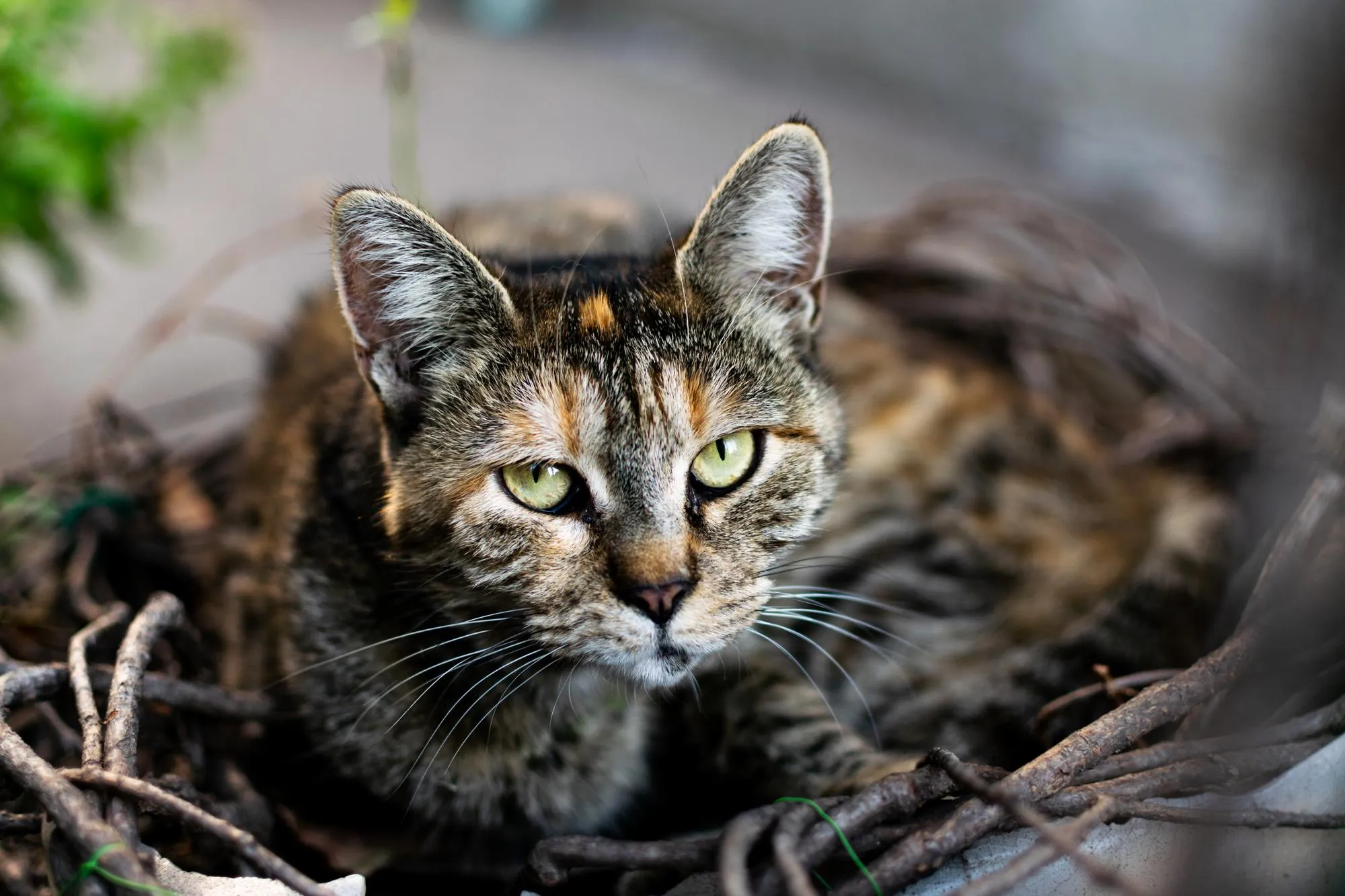
A feral cat is an unsocialized cat that has little or no contact with people and usually avoids human interaction, making it difficult for the cat to live comfortably as an indoor pet. Young kittens, however, can often be socialized with time and care, especially if they are under about 8 weeks old. With proper handling, feeding, and positive interaction, many kittens born outdoors can learn to trust people and eventually thrive in loving homes.
People often assume that a feral cat and a kitten born outdoors need the same kind of socialization, but they don’t. Their experiences, instincts, and comfort levels with humans are completely different. If you’re caring for a cat who seems fearful, you might wonder: Is this cat truly feral? Is this just a scared kitten? And how do I help them feel safe?
This guide breaks it down in simple, clear language so anyone — even someone new to cat rescue — can understand what to expect and how to support each animal.
A feral cat is an adult cat who has grown up without human contact. They aren’t aggressive by nature; they’re simply trying to protect themselves. Imagine living your whole life outdoors, relying on your instincts to survive — that’s the world a feral cat knows.
A feral cat usually avoids touch, hides when approached, and may panic if confined. They don’t understand human voices or gestures the way socialized cats do. Their reactions come from fear, not from a lack of potential.
If you’ve ever wondered, Why does this cat seem terrified of me even when I’m being gentle? — it’s because trust has never been part of their experience.
A kitten, even one born outside, is still developing socially. Their brains are wired to learn, explore, and form bonds. This is why kittens often warm up quickly, even if they start out scared.
A kitten might hiss at first, but within a few days of gentle handling, they begin to relax. They’re curious, playful, and open to new experiences. If you’ve asked yourself, Why did this kitten stop hissing so fast? — it’s because kittens adapt quickly when they feel safe.
This is the biggest difference:
A feral cat protects itself from the world. A kitten is still learning what the world is.
A feral cat’s fear response is deeply ingrained. They’ve survived by staying alert, keeping distance, and avoiding anything unfamiliar. When you bring a feral cat indoors, everything changes — the sounds, the smells, the confinement, the presence of humans.
You might wonder, Why won’t this cat come out even though I’m offering food? Why does it take weeks just to get them to look at me?
It’s because trust must be built slowly, through routine and predictability.
A feral cat needs:
Progress often looks like tiny moments: the cat staying visible instead of hiding, eating while you’re in the room, or blinking slowly instead of staring wide‑eyed.
These small steps are huge victories.
Kittens are naturally curious. They learn through play, touch, and exploration. When you handle them gently, they begin to associate humans with warmth, food, and safety.
If you’ve ever asked, Why does this kitten suddenly want to climb on me after being scared yesterday? — it’s because kittens are wired to bond. Their fear fades quickly when they feel secure.
Kittens benefit from:
They don’t need the slow, cautious approach that adult feral cats require.
If you’re working with a feral cat, the goal isn’t to rush them — it’s to create an environment where they can choose to feel safe.
A small, quiet room is essential. Too much space can heighten fear and make it harder for a cat to settle. Be intentional about the space itself: make sure the cat has one safe place to hide, such as a covered bed or crate, but remove additional hiding spots. Block off areas where the cat can squeeze behind furniture or jump up high and disappear. While hiding is a natural coping mechanism, too many hiding options allow fear to take over and slow the bonding process. When the environment is simple and predictable, the cat is more likely to observe you, relax, and begin building trust. Fewer hiding places often lead to faster, healthier bonding because the cat feels secure without being completely unreachable.
Sit calmly, avoid direct eye contact, and allow the cat to observe you on their own terms. One approach that worked especially well for me was simply sitting in the room and scrolling through my phone, intentionally ignoring the cat. By doing this, I was letting her know: I’m here, I see you, and I’m not a threat.
At first, she kept her distance. But over the weeks, her body language began to change. She stayed out longer, relaxed more, and eventually chose to come closer. One day, she laid down beside me and began rubbing her scent on me — a huge sign of trust. Not long after that, she allowed me to pick her up for the first time. Those moments didn’t happen overnight; they happened because she felt safe enough to decide on her own terms. And it can happen. She was eventually adopted into a wonderful, loving family.
You might wonder, How will I know when they’re ready for the next step?
Look for signs like:
These behaviors are powerful indicators that a feral cat is beginning to feel safe and is slowly opening the door to trust.
Kittens thrive on interaction. Holding them, playing with them, and letting them explore helps them grow into confident, social cats.
If you’re unsure how much handling is too much, remember this: short, frequent sessions work best. A few minutes of gentle touch or play several times a day builds trust quickly.
You might ask, What if the kitten still seems nervous?
That’s normal. Keep interactions positive and predictable. Confidence grows with repetition.
Feral cats and kittens may look similar, but their needs couldn’t be more different. A feral cat relies on instinct and caution, while a kitten is still learning how to interact with the world. When you understand these differences, you can approach each animal with the right level of patience, structure, and compassion.
Whether you’re helping a frightened adult or a timid kitten, your calm presence and consistent care can change their entire future.
A scared stray may approach slowly or meow. A feral cat usually stays silent, avoids eye contact, and keeps distance.
Yes — especially under 12 weeks. They socialize quickly with gentle handling.
Some can, but not all. Many become semi‑social and bond with one person. Others do best as barn or working cats.
Hiding is their survival instinct. It doesn’t mean they can’t learn to trust — it just means they need time.
Their brains are still forming social bonds. They’re naturally curious and open to new experiences.
Yes. A small space helps them feel safe and reduces stress.
This article was written by the team at Whisker Foundation, a Washington-based nonprofit cat rescue focused on education, prevention, and responsible adoption. Our team regularly works with lost cats, kitten season cases, and spay and neuter programs in Everett and throughout Snohomish County and surrounding communities.
Whisker Foundation is a 501(c)(3) nonprofit dedicated to reducing cat overpopulation through education, rescue, and community support. Our goal is to help cat owners understand the behaviors and risks that can lead to cats going missing and provide practical steps to help keep pets safe.