Phone:
(701)814-6992
Physical address:
6296 Donnelly Plaza
Ratkeville, Bahamas.

Phone:
(701)814-6992
Physical address:
6296 Donnelly Plaza
Ratkeville, Bahamas.
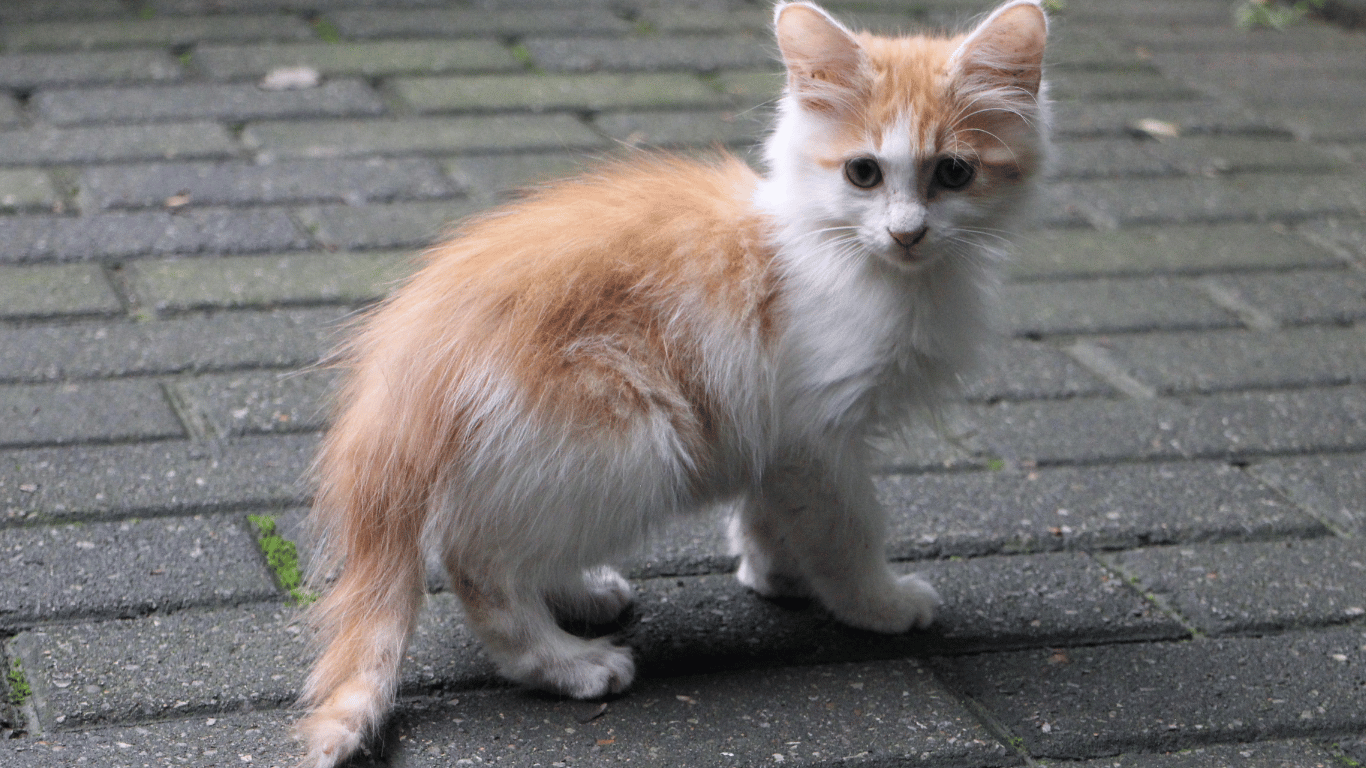
One of the most common—and most debated—questions we hear at Whisker Foundation is:
“When can I safely spay or neuter my kitten?”
If you ask online, you’ll find answers everywhere from “wait until 6 months” to “do it at 3 months”. But in day-to-day rescue work, we’ve learned that the answer is far more practical and grounded in real-life outcomes: kittens can be safely spayed or neutered once they reach about 1.5 pounds.
That’s the standard used by shelters right here in our community—especially the Everett Animal Shelter—and it’s a guideline we see working safely, compassionately, and consistently every single week.
This isn’t theory. It’s based on what we witness with our own hands on the kittens we rescue, rehabilitate, and send to new homes.
A lot of confusion comes from outdated beliefs that were once widely taught. Many people grew up hearing:
But as rescuers, we work with kittens of all ages—from fragile 5-week-olds to terrified adult strays—and we’ve seen firsthand that early-age spay/neuter is not only safe, but often the best option for the kitten’s health and future.
Veterinarians trained in modern pediatric techniques consistently tell us—and show us—that kittens recover faster and experience fewer complications when they’re young.
And we see that every time one of our little 1.5-pounders comes home from surgery, eats a full meal, and then immediately starts playing like nothing happened.
Years ago, vet medicine didn’t have the same tools, training, and anesthesia protocols that exist today. So the old “3 months or older” rule stuck around long after it stopped being necessary.
Many vets still follow it out of habit or caution—not because younger kittens can’t handle it, but because they weren’t trained in pediatric spay/neuter during school.
But shelters and rescues have to be practical. We see the consequences every day of waiting too long:
This is why organizations like Everett Animal Shelter use the 1.5-lb rule—it works, and it saves lives.
As we get our kittens ready for their surgery appointments, we’ve learned a lot along the way. Here’s our real experience:
The difference is honestly remarkable. Once you’ve cared for enough kittens at different ages, you start seeing why pediatric surgery is now the gold standard in rescue work.
We work closely with local veterinarians and shelters. Their 1.5-lb guideline means:
When kittens leave a shelter already spayed or neutered, we know they’re not contributing to the endless cycle of unwanted litters. And for us as rescuers, that’s everything.
From our firsthand experience: no.
You can literally watch kittens bounce back better than older cats.
Our early-altered kittens grow into full-size, healthy adults without any issues.
Kittens gain weight when they’re overfed—not because of surgery age.
With modern pediatric protocols, the risks are actually lower than waiting.
We’ve personally been through dozens of these surgeries with our fosters, and the outcomes speak for themselves.
Fix at 1.5–2 pounds, usually around 8–10 weeks.
Follow the 1.5-lb standard—it keeps the community safer and prevents unwanted litters.
It’s never too late. We’ve had seniors fixed safely with veterinary clearance.
The real-world truth is this:
early spay/neuter is safe, humane, and essential for reducing suffering.
We’re not just quoting studies—we’re speaking from real, daily rescue work.
And based on everything we’ve witnessed firsthand, the safest, kindest, and most effective time to spay or neuter a kitten is:
👉 When they reach about 1.5 pounds.
It’s what shelters use.
It’s what rescue organizations rely on.
And it’s what produces the healthiest, most consistent outcomes.
At Whisker Foundation, we rescue abandoned, injured, and at-risk cats every single day. Early spay/neuter helps us break the cycle of overpopulation and give every cat a chance at a better life.
If you believe in what we do, here are ways you can help:
👉 Donate to Save More Cats
https://whiskerfoundation.org/donate/
👉 Follow us on Facebook & Instagram
Share our posts to help local cats get adopted.
👉 Volunteer or foster
We always need loving homes to help kittens recover after surgery.
Together, we can create a safer, more compassionate world for cats across the Puget Sound.