Phone:
(206 ) 992-71256
Physical address:
Everett, Washington
Email address:
info@whiskerfoundation.org

Phone:
(206 ) 992-71256
Physical address:
Everett, Washington
Email address:
info@whiskerfoundation.org
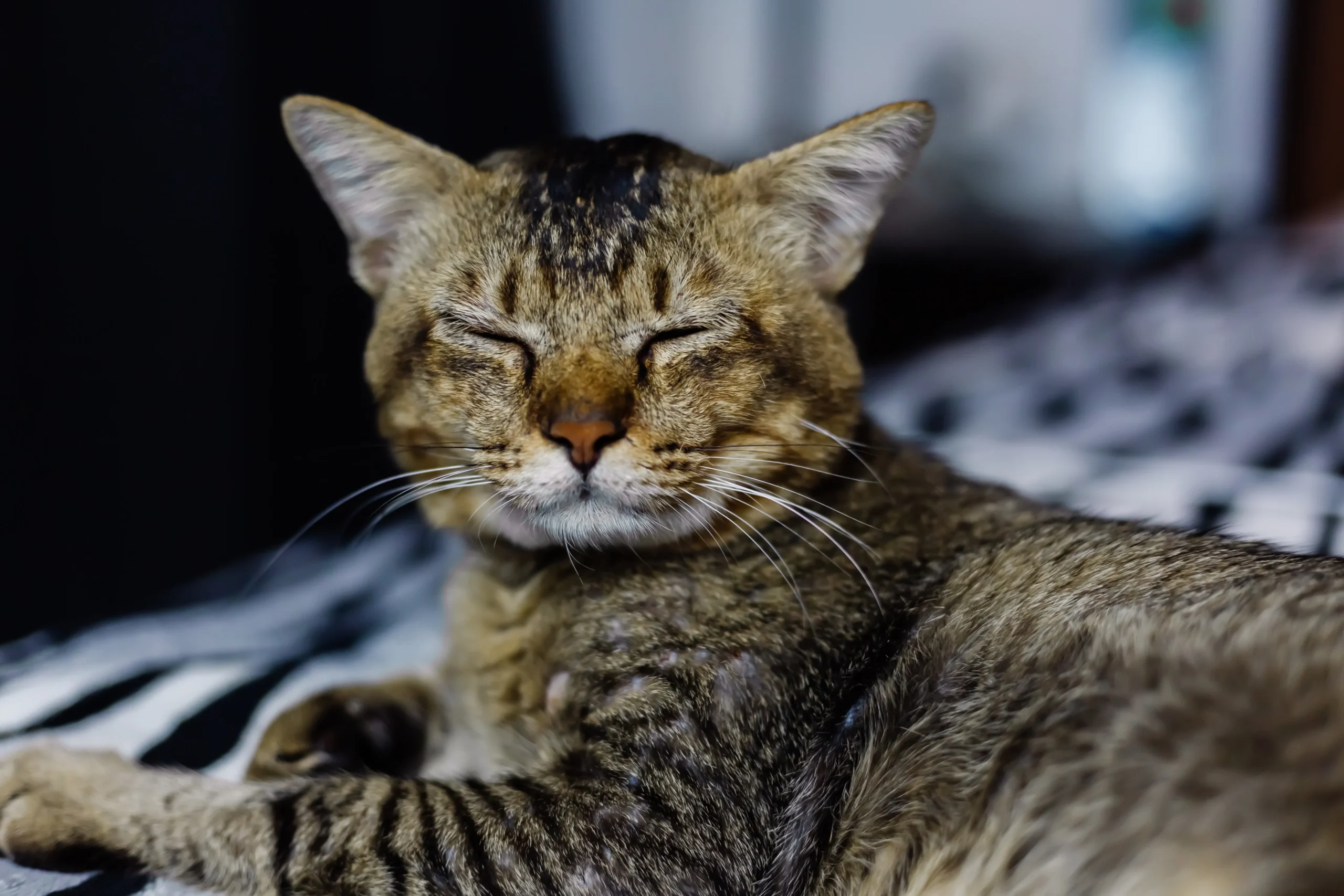
If a cat looks at you and slowly closes their eyes—then gently opens them again—you may wonder what that behavior means. Is the cat tired? Is something wrong with their eyes? Or is it actually a form of communication?
In most cases, a slow blink is a sign of trust. Cats are both predators and prey, which means they are instinctively cautious. Eye contact can feel threatening to them, especially if it is intense or prolonged. When a cat deliberately closes their eyes in your presence, it shows they feel safe enough to lower their guard. In simple terms, your cat is telling you they are comfortable with you.
This is why many people refer to slow blinking as a “cat kiss.” It is one of the quietest but strongest ways a cat can express trust.
Why would something as small as blinking matter so much to a cat? In the animal world, staring is often a challenge or a warning. A direct, unbroken stare can signal aggression or dominance. Cats understand this instinctively.
So what happens when a cat slowly closes their eyes instead of staring? They are doing the opposite of a threat. By removing eye contact, even briefly, they are communicating that they do not see you as a danger. This is especially meaningful because cats rely on their awareness and reflexes to stay safe.
When a cat slow-blinks, they are choosing calm over caution.
Many people ask, “Does slow blinking mean my cat loves me?” The honest answer is that cats show affection differently than humans do. While slow blinking may not mean love in the same way a hug or kiss does for people, it does mean trust, acceptance, and emotional safety.
For cats, trust often comes before affection. A cat that slow-blinks at you is saying that they feel secure in your presence. Over time, that sense of safety often leads to deeper bonding, relaxed behavior, and even more physical affection if the cat is comfortable with it.
Some cats cuddle constantly, while others prefer space. Does that mean reserved cats are less bonded? Not at all.
Many cats, especially those who are shy, independent, or previously feral, rely more on body language than physical contact. For these cats, slow blinking is a preferred way to communicate. It allows them to connect without feeling overstimulated or vulnerable.
If your cat rarely sits on your lap but often slow-blinks from across the room, that connection is still very real.
Yes—and it can make a difference.
You might wonder, “If my cat slow-blinks at me, should I respond?” Returning a slow blink is one of the simplest ways to communicate in a way your cat understands. When you gently close your eyes and slowly reopen them, you are mirroring your cat’s calm and respectful signal.
Many cats will respond by blinking again, relaxing their body, or even approaching you. This exchange can help build trust, especially with cats who are nervous, newly adopted, or still adjusting to their environment.
Trust with cats is built through consistency and calm interactions. Slow blinking plays a role in that process because it reinforces safety. When a cat repeatedly experiences relaxed, non-threatening behavior from you, they learn that you are predictable and safe.
Over time, this can lead to changes in behavior. A cat may begin spending more time near you, sleeping in the same room, or showing other signs of comfort. For rescue cats in particular, these small moments can be important milestones in their emotional healing.
Not every squint or blink is a sign of trust, which is why context matters. A healthy slow blink usually happens when the cat’s body is relaxed and their environment is calm. The eyes should look clear and comfortable.
If a cat is constantly squinting, has discharge, redness, swelling, or seems sensitive to light, that may indicate an eye issue rather than communication. In those cases, a veterinary exam is important to rule out infection or injury.
Understanding feline body language helps prevent misunderstandings and strengthens the human–cat bond. Slow blinking is a reminder that cats communicate subtly. They may not always seek attention loudly or directly, but they are always expressing how they feel.
When you recognize and respect these signals, you create a relationship built on trust rather than force.
So, what does it really mean when a cat slow-blinks at you? It means your cat feels safe. It means they trust you. And in the world of cats, that is one of the highest compliments you can receive.
The next time it happens, take a moment. Slow-blink back. You may be surprised by how much connection can happen without a single word—or sound.
When a cat slow-blinks at you, it usually means they feel safe and comfortable in your presence. Slow blinking is a form of feline communication that signals trust rather than sleepiness or disinterest.
Yes. Slow blinking is widely recognized as a sign of trust in cats. Because cats are instinctively alert animals, closing their eyes around a person shows they do not feel threatened.
Cats do not show affection the same way humans do, but slow blinking is one of the clearest ways a cat expresses emotional comfort and acceptance. It often appears in bonded relationships.
Yes. Slowly blinking back at your cat can help reinforce trust. Many cats respond positively when humans return the slow blink, especially shy or newly adopted cats.
In cat behavior, direct staring can be interpreted as a threat. Slow blinking softens eye contact and communicates calmness and non-aggression.
No. While sleepy cats may squint, a true slow blink happens when a cat is relaxed and aware. Context and body language help distinguish communication from fatigue.
Yes. Rescue and formerly feral cats often use slow blinking as a low-risk way to communicate trust before they are comfortable with physical contact.
If slow blinking is accompanied by redness, swelling, discharge, or frequent squinting, it may indicate an eye problem and should be checked by a veterinarian.
Slow blinking helps build emotional safety and strengthens the human–cat bond. It allows communication without touch and supports trust-based relationships.
Recognizing slow blinking helps caregivers respond appropriately to a cat’s emotional state, reducing stress and improving long-term behavior and trust.
🐾 Visit our Cat Care Education Library
🐾 Learn about kitten health, safety, and home care
🐾 Support local rescue efforts
👉Read more helpful articles
If you’re interested in adopting a kitten, visit our adoption page to view available cats and learn about our adoption process: Available Kittens
👉 Follow Whisker Foundation on Facebook & Instagram
This article was written by the team at Whisker Foundation, a Washington-based nonprofit cat rescue focused on education, prevention, and responsible adoption. Our team regularly works with lost cats, kitten season cases, and spay and neuter programs in Everett and throughout Snohomish County and surrounding communities.
Whisker Foundation is a 501(c)(3) nonprofit dedicated to reducing cat overpopulation through education, rescue, and community support. Our goal is to help cat owners understand the behaviors and risks that can lead to cats going missing and provide practical steps to help keep pets safe.