Phone:
(206 ) 992-71256
Physical address:
Everett, Washington
Email address:
info@whiskerfoundation.org

Phone:
(206 ) 992-71256
Physical address:
Everett, Washington
Email address:
info@whiskerfoundation.org
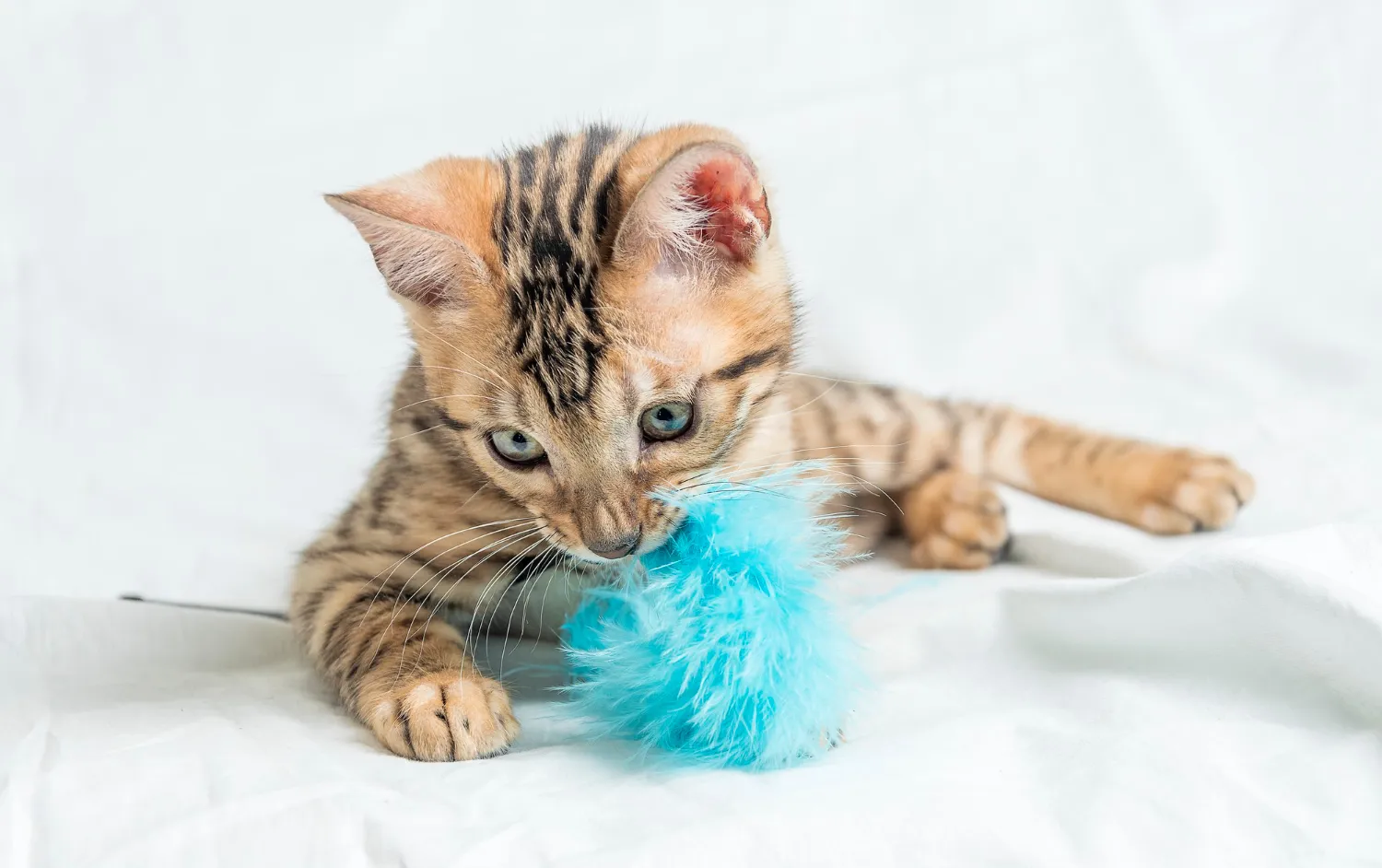
If your kitten suddenly attacks your hands or feet, you’re definitely not the only one dealing with it. This is one of the most common questions both new and long-time cat owners ask, and it often leaves people confused, frustrated, or even a little worried. Even experienced cat owners are often caught off guard by this behavior. The important thing to know is that it’s normal. It isn’t aggression, it isn’t a sign of a “bad” cat, and it isn’t something you’re stuck with forever. With the right approach, you can prevent most of these surprise attacks and teach your kitten healthier habits.
Before you can stop the behavior, it helps to understand why it happens in the first place.
Kittens don’t attack because they’re angry or trying to hurt you. They attack because their bodies and brains are built for movement, play, and practice. What feels like chaos to a human is actually a very important part of a kitten’s development.
If you’ve ever wondered, “Why does my kitten pounce on my feet?”, the answer is simple: movement looks like prey. When your fingers wiggle or your toes shift under a blanket, your kitten sees something small, fast, and worth chasing. To them, your hands and feet aren’t part of you — they’re moving targets.
This is how kittens learn essential skills like timing, pouncing, bite control, and coordination. They aren’t trying to be aggressive. They’re practicing the behaviors nature wired into them.
Another question people ask is, “Why does my kitten randomly attack me out of nowhere?” Kittens experience short, intense bursts of energy throughout the day. If they don’t have toys or structured playtime, they’ll use whatever moves — including you. Feet are especially tempting because they’re fast, unpredictable, and always nearby. This is why attacks often happen when you walk past or shift your legs in bed.
If your kitten suddenly starts biting your hands more than usual, teething may be the reason. Between three and six months old, kittens lose their baby teeth and grow adult ones. Chewing helps relieve the discomfort. Without appropriate chew toys, they’ll use whatever is available: fingers, hands, toes, or even clothing. It isn’t aggression — it’s self‑soothing.
This is the most common reason kittens attack hands and feet, and most people don’t realize they’re teaching the behavior. When kittens are tiny, it seems harmless to wiggle your fingers in front of them or let them grab your hands. Many people even use their feet under blankets as a playful “prey” game.
The problem is that kittens don’t understand the difference between “cute when you’re small” and “painful when you’re bigger.” If hands or feet were ever used as toys — even once — the kitten learns that human skin is something to bite and chase. This is how people end up with scratches, bites, and a cat who thinks attacking ankles is normal.
If you’re asking, “How do I stop my kitten from attacking me?”, this is the most important rule: never use your hands or feet to play with a kitten. When you do, you teach them that biting human skin is acceptable. They don’t develop proper bite inhibition, and as they grow stronger, the behavior becomes painful and harder to correct.
This is how people end up with scratched arms, bitten hands, and shredded ankles. It isn’t the cat’s fault — it’s the training they received.
If you want to know the safest and most effective way to play with a kitten, the answer is simple: use toys that keep your hands far away from their teeth and claws. Wand toys, feather teasers, ribbon wands, fishing‑pole toys, and long plush kickers all give your kitten the chance to chase, pounce, and bite without involving your skin.
These toys satisfy their hunting instincts, burn off excess energy, teach healthy boundaries, and protect you from scratches. Distance is everything. If your hand is part of the toy, your hand becomes the toy.
Kittens don’t attack hands and feet because they’re mean or aggressive — they do it because they’re learning how to be cats. Pouncing, biting, and chasing are all normal behaviors driven by instinct, energy, and development. When those instincts are directed at human skin, it usually means a kitten hasn’t been shown a better outlet yet.
The good news is that this behavior is highly preventable and very teachable. By avoiding hands and feet as toys, providing appropriate play outlets, and giving your kitten regular, structured playtime, you’re helping them learn healthy boundaries early. Consistency matters far more than correction, and small changes in how you play can make a big difference.
With patience, the right toys, and an understanding of why the behavior happens, most kittens grow out of attacking hands and feet entirely. You’re not failing, your kitten isn’t “bad,” and this phase doesn’t last forever — it’s simply part of raising a confident, well-adjusted cat.
Sudden biting is usually caused by instinct, teething, or bursts of energy. It’s normal and not a sign of aggression.
Yes. Moving hands and feet look like prey. The key is teaching them early that human skin is not a toy.
Stop moving, gently pull away, and redirect to a toy — especially a wand toy with a long stick.
Walking feet trigger a kitten’s chase instinct. Increasing structured playtime helps reduce this behavior.
Yes — as long as you set boundaries early and avoid using hands or feet as toys.
No. This teaches kittens that biting human skin is acceptable. Always use toys that create distance.
This is often overstimulation. Watch for signs like tail flicking or skin twitching — these mean “I need a break.”
Almost never. Most biting is playful, instinctive, or related to teething.
Most kittens need 2–3 structured play sessions per day, about 10–15 minutes each.
Wand toys, feather teasers, long kickers, and soft chew toys are the most effective.