Phone:
(206 ) 992-71256
Physical address:
Everett, Washington
Email address:
info@whiskerfoundation.org

Phone:
(206 ) 992-71256
Physical address:
Everett, Washington
Email address:
info@whiskerfoundation.org
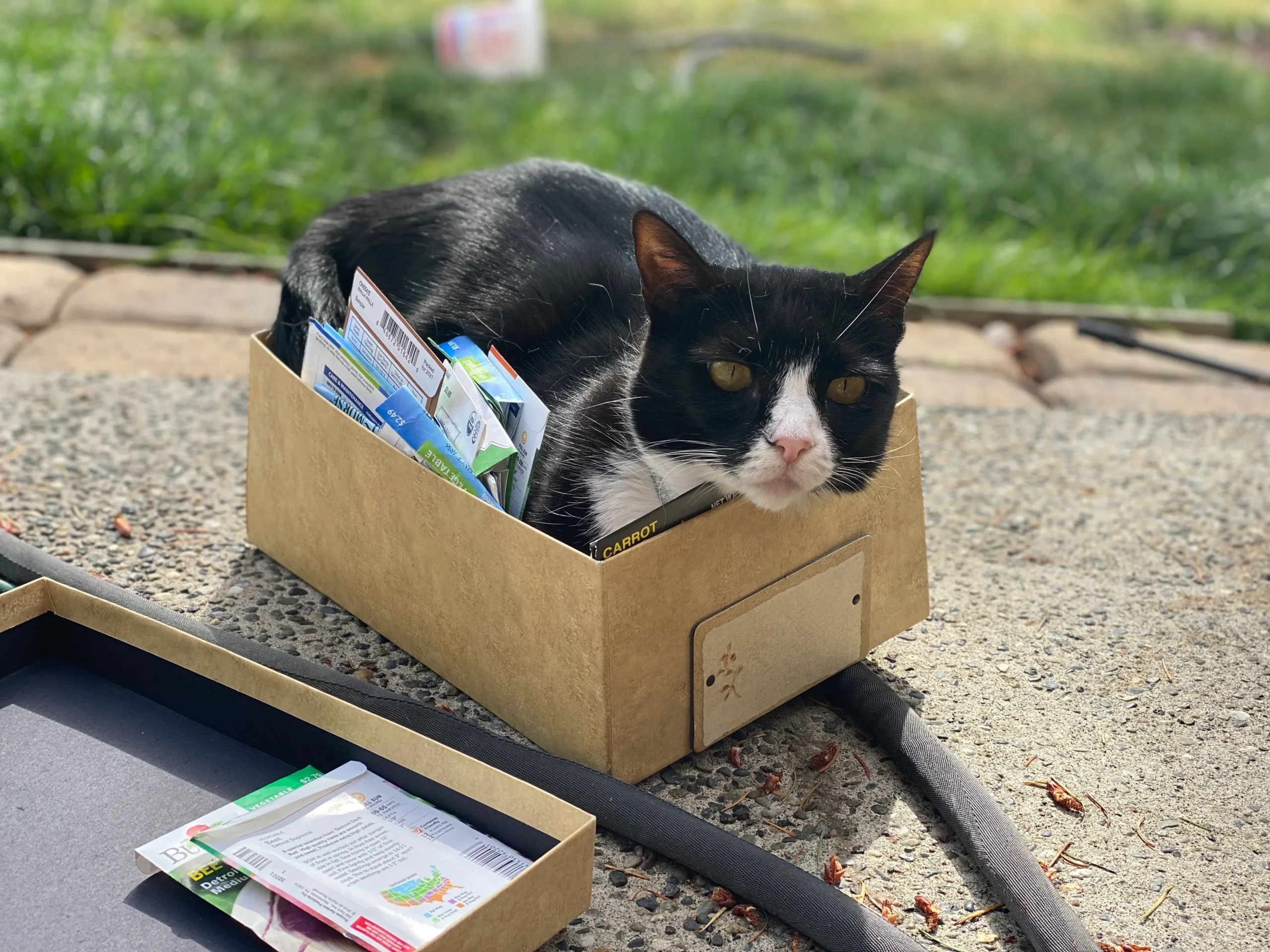
This article discusses end-of-life care for pets and the decision to humanely euthanize an animal who is suffering. It includes an optional video showing a peaceful goodbye. While nothing in this article is graphic, the topic may be emotionally difficult for some readers. Please proceed only if you feel ready.
Mittens passed away on March 29, 2024. It has taken me this long to be able to talk about her death and share our experience in words. Grief does not follow a schedule, and for a long time, I simply wasn’t ready. Writing this now is part of how I honor her, and how I hope to help others who may be walking through the same difficult decision.
When people search for “pet euthanasia at home — what to expect,” they are usually facing one of the hardest decisions of their lives. That was us.
Mittens had been part of our family for nine years. When she was diagnosed with intestinal cancer, everything happened very quickly. By the time we understood what was wrong, the disease had already progressed. She lived for less than a month after her diagnosis.
I’m sharing our experience because when we were trying to understand pet euthanasia at home and what to expect, there were very few personal, educational resources available. I don’t want anyone else to feel as unprepared or alone as we did.
This article reflects our personal experience and what we were told by veterinary professionals during Mittens’ illness. It is not intended as medical advice, but as support and shared understanding for others navigating similar decisions.
As Mittens’ illness progressed, we began to notice changes that were difficult to accept. She became weaker, lost interest in food, and slept more. Her energy faded, and it became clear she was uncomfortable.
One of the most important warning signs we saw — and one I want others to take seriously — was that Mittens was not throwing up hairballs. Instead, she was repeatedly vomiting large amounts of yellow bile. She would eat and drink, often consuming a lot of water, and then every few hours she would vomit most of it back up. The cycle would then start all over again. At the time, it was easy to underestimate how serious this was, but we later learned that repeated vomiting of bile and fluids can sometimes be a sign of a blockage or another serious internal problem. If your cat is vomiting large amounts of bile or fluid rather than food or hairballs, this is not normal and should be evaluated by a veterinarian as soon as possible.
Witnessing the twitching was one of the most alarming and frightening parts of Mittens’ decline. At the time, we didn’t fully understand what was happening. We later learned that involuntary twitching can occur in some cases as a pet’s body begins to shut down and the nervous system is no longer regulating movement normally. While it is incredibly distressing to watch, these movements do not always mean a pet is in pain. In many cases, they reflect the body failing rather than suffering. Knowing this ahead of time doesn’t make it easier emotionally, but it may help others feel less panicked and more prepared if they see something similar.
One of the hardest realizations was understanding that these changes were not temporary. They were signs that her body was shutting down, that there was no other treatment available, and that any further intervention would only prolong her pain.
When people ask about pet euthanasia and what to expect, this stage is often the most confusing. There can be brief moments of improvement that bring hope, followed by sudden decline. Learning to focus on comfort and quality of life helped guide our decision.
We chose pet euthanasia at home so Mittens could be in a familiar, quiet place. We wanted the experience to feel calm and intimate, not rushed or stressful.
A professional came to our home, and I chose to have my daughter with me. Being together mattered. For our family, pet euthanasia at home felt like the most compassionate option.
This choice may not be right for everyone, but for us, it allowed Mittens to remain surrounded by love until the very end.
It’s also important to say that pet euthanasia at home is not always possible for every family. Cost, availability, location, timing, and medical urgency can all affect what options are realistically accessible. Choosing in-clinic euthanasia does not make someone less loving or less compassionate. What matters most is the intention — relieving suffering and being there for your pet in whatever way you can. A peaceful goodbye can happen in many settings, and love is not measured by where it happens, but by the care and presence you bring to that moment.
Many people searching for “pet euthanasia at home — what to expect” are wondering how it will feel.
The experience itself was quiet and peaceful. Mittens was not alone. She was spoken to gently and held with love. Even in a calm setting, the emotional weight can be overwhelming. Time may feel distorted. You may cry, talk, or sit silently.
There is no right or wrong way to say goodbye.
Beforehand, we were told that some physical responses before and after death can be normal during pet euthanasia.
In some cases, fluid release can begin shortly after the medication is given and before a pet has fully passed. This can be especially alarming to witness, particularly if fluid appears from the nose while the pet is still alive. In pets with intestinal blockages or digestive illness, this response can be more pronounced. While deeply upsetting in the moment, this does not necessarily mean a pet is in pain or that something is wrong. It can be part of how the body relaxes and responds during the euthanasia process.
It’s also helpful to know that after death, a pet’s body may still twitch or move briefly. These movements can be startling, but they are reflexes that occur after the brain has stopped functioning. At that point, the pet is no longer aware and is no longer alive. These post-death movements do not indicate pain, distress, or consciousness.
We share this to help others understand that pet euthanasia can look different depending on the illness involved. Variations like this do not mean something went wrong. In Mittens’ case, we were reassured that these responses were normal for her diagnosis, even though they were emotionally difficult to witness.
One of the most important things to understand about pet euthanasia is that no two experiences are the same.
Illness affects the body in different ways. Some pets pass very quietly, while others may have physical responses related to what their bodies have been dealing with. Our experience was shaped by Mittens’ diagnosis. Yours may look different — and that difference does not make it any less peaceful or loving.
Below is an optional video of our goodbye to Mittens.
This video shows a peaceful in-home pet euthanasia experience and includes emotional moments, including me speaking to Mittens and telling her how much she was loved. Some portions of the experience are not shown out of respect for viewers. Watching the video is completely optional — reading this article alone is enough.
If you found this article because you are facing this decision, please know this:
Choosing pet euthanasia is not giving up. It is an act of mercy when suffering outweighs quality of life. You may question your timing or replay the decision in your mind — that is part of grief.
Mittens was deeply loved. If sharing her story helps even one person understand what to expect during pet euthanasia, then her life — and her goodbye — continue to matter.
Mittens’ life — and her loss — changed us in ways we never expected. She is the reason we eventually started a cat rescue. Loving her taught us how deeply animals depend on us to advocate for them, comfort them, and protect them, especially when they are vulnerable. While Whisker Foundation did not exist at the time we said goodbye to Mittens, her life and the lessons she gave us became the foundation for the work we do today. Her story continues through every cat we help.
At Whisker Foundation, our mission includes education and support for pet owners at every stage of life — including the hardest moments. This article is shared as part of our commitment to providing compassionate, real-world resources for families navigating end-of-life decisions for their pets.
🐾 Visit our Cat Care Education Library
🐾 Learn about kitten health, safety, and home care
🐾 Support local rescue efforts
👉Read more helpful articles
If you’re interested in adopting a kitten, visit our adoption page to view available cats and learn about our adoption process: Available Kittens
👉 Follow Whisker Foundation on Facebook & Instagram
This article was written by the team at Whisker Foundation, a Washington-based nonprofit cat rescue focused on education, prevention, and responsible adoption. Our team regularly works with lost cats, kitten season cases, and spay and neuter programs in Everett and throughout Snohomish County and surrounding communities.
Whisker Foundation is a 501(c)(3) nonprofit dedicated to reducing cat overpopulation through education, rescue, and community support. Our goal is to help cat owners understand the behaviors and risks that can lead to cats going missing and provide practical steps to help keep pets safe.