Phone:
(206 ) 992-71256
Physical address:
Everett, Washington
Email address:
info@whiskerfoundation.org

Phone:
(206 ) 992-71256
Physical address:
Everett, Washington
Email address:
info@whiskerfoundation.org
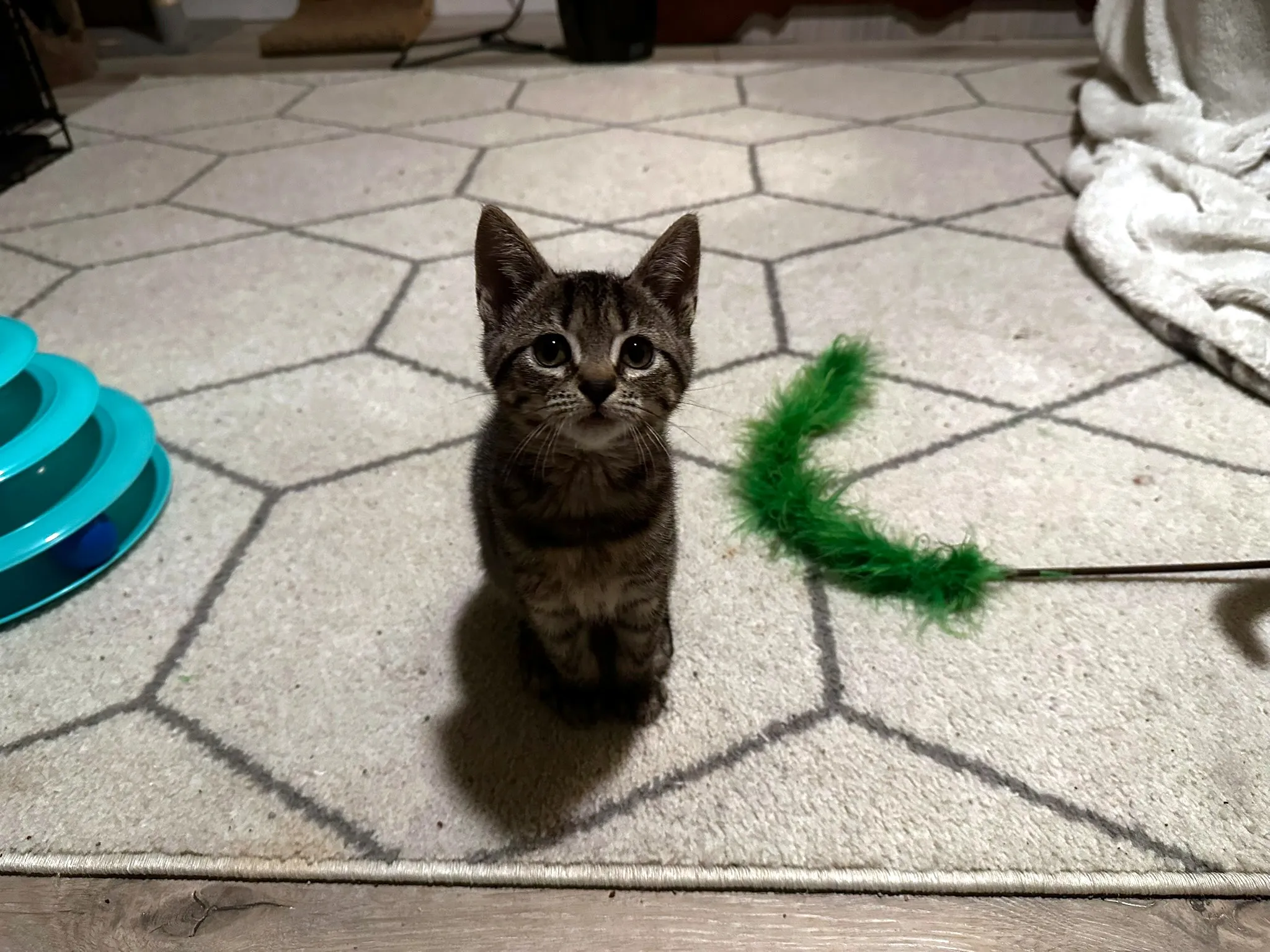
Cats may be independent, but they communicate constantly through body language, vocal cues, and behavior. Understanding cat behavior is key to creating a calm, happy home — for both you and your feline companion. When you learn why cats act the way they do, it becomes much easier to reduce stress, prevent problem behaviors, and build a trusting bond.
At Whisker Foundation, we believe every cat deserves a safe home where they feel understood, secure, and loved. This guide shares practical tips to help you recognize common behaviors, solve challenges, and encourage positive habits through patience, consistency, and humane training.
Many behavior issues — scratching furniture, hiding, biting, or refusing the litter box — aren’t signs of a “bad cat.” They’re usually signals that something feels stressful, confusing, or unsafe.
By learning basic cat behavior, you can:
Cats thrive on routine, predictability, and gentle guidance. Small adjustments often make a big difference.
Cats communicate more with their bodies than with sound. Learning their signals helps you respond correctly.
Relaxed and happy signs:
Stressed or upset signs:
Tip: Try slow blinking at your cat — it’s a friendly signal in cat language!
Scratching is natural — it keeps claws healthy and marks territory.
Solution: Provide sturdy scratching posts and place them near favorite furniture spots. Reward your cat for using them.
Avoiding the litter box often means stress, medical issues, or an unclean box.
Solution: Keep boxes clean, use unscented litter, and provide one box per cat plus one extra.
New environments or past trauma can cause hiding.
Solution: Give safe hiding spots, speak softly, and let your cat approach at their own pace.
Young cats often play rough if they lack proper play outlets.
Solution: Use wand toys for interactive play and avoid using hands as toys.
Cats feel safest when their world is predictable.
Simple stress-reducing tips:
A calm environment prevents many behavior issues before they start.
Cats respond best to positive reinforcement, not punishment.
Reward behaviors you want:
Ignore or redirect unwanted behaviors. With patience and consistency, cats quickly learn household routines.
If sudden behavior changes appear — such as aggression, litter box avoidance, or excessive hiding — always rule out medical causes first with your veterinarian.
At Whisker Foundation, we use behavior education to ensure every cat is matched with the right family. When adopters understand feline behavior, cats stay in loving homes for life.
Understanding cat behavior isn’t about controlling your cat — it’s about learning their language. With patience, routine, and kindness, you can reduce stress, solve behavior challenges, and build a peaceful home filled with trust and companionship.
If you’re preparing to welcome a cat into your family, Whisker Foundation is here to help you every step of the way.