Phone:
(206 ) 992-71256
Physical address:
Everett, Washington
Email address:
info@whiskerfoundation.org

Phone:
(206 ) 992-71256
Physical address:
Everett, Washington
Email address:
info@whiskerfoundation.org
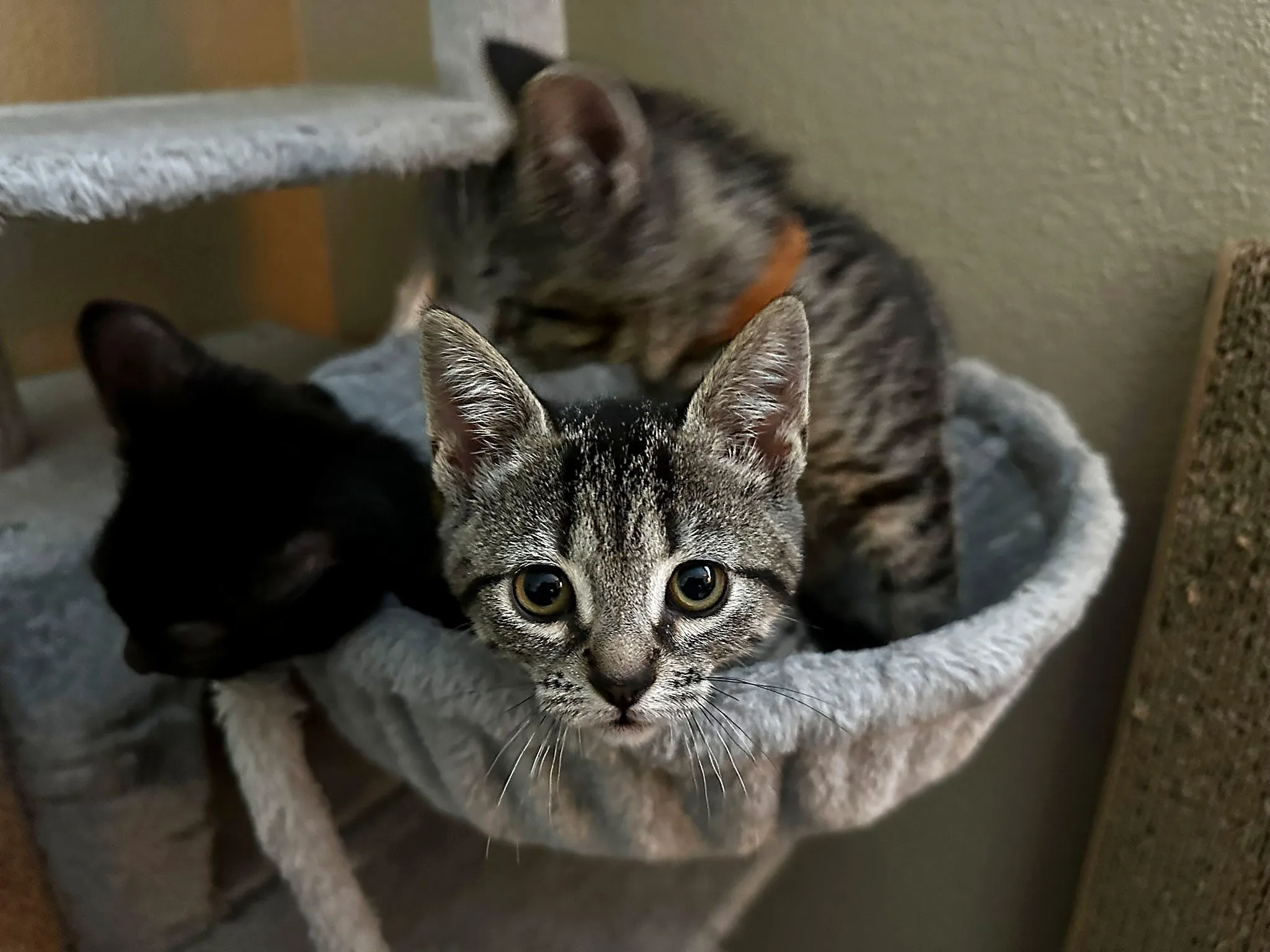
Bringing a kitten into your home is an exciting and rewarding experience. Kittens are playful, curious, and full of personality — but they also require proper care, patience, and preparation to grow into healthy adult cats. This Kitten Care Guide walks you through feeding, litter training, health care, socialization, and home preparation so you can give your new companion the best possible start in life.
Before your kitten arrives, create a safe and welcoming environment.
Essentials to have ready:
Kitten-proofing tips:
A calm, secure environment helps kittens adjust quickly and reduces stress during their transition.
The first week in a new home can feel overwhelming for a kitten. To help them feel safe and build confidence, start by setting up a small, quiet room as their temporary space.
Why a smaller room helps:
Important tip:
During the first week, remove or block hard-to-reach hiding places such as under beds, behind appliances, or inside closets. While it’s normal for kittens to hide when scared, too many hiding spots can slow their adjustment and make socialization difficult. A controlled, cozy space helps your kitten become familiar with their surroundings faster and build trust with you.
Once your kitten is eating, using the litter box consistently, and showing curiosity, you can gradually expand their access to the rest of the home.
If you already have cats or other household pets, slow and thoughtful introductions are essential. Rushing this process can cause fear or territorial stress, while gradual introductions build trust and long-term harmony.
Start with scent introductions:
Move to supervised visual contact:
Short, supervised meetings:
Provide separate resources at first:
This prevents competition and helps each pet feel secure.
Special note for dogs and other animals:
Ensure dogs are calm, leashed, and supervised during early introductions. Small pets such as birds or rodents should always be kept safely separated from cats.
With patience and consistency, most kittens and resident pets learn to accept — and often bond with — one another over time.
Kittens grow rapidly and need nutrient-rich food to support healthy development.
General feeding guidelines:
Always provide fresh water and choose food labeled specifically for kittens. Avoid cow’s milk, which can cause digestive upset.
For veterinary-backed nutrition guidance, the American Association of Feline Practitioners (AAFP) provides trusted feeding and kitten development recommendations:
Most kittens instinctively use a litter box, but gentle guidance helps.
Tips for success:
Praise and patience go a long way — never punish accidents.
Proper medical care is essential for a healthy kitten.
Your kitten should receive:
Kittens learn confidence and good behavior through play and gentle handling.
Healthy socialization includes:
Playtime prevents boredom and supports healthy physical development.
Even short-haired kittens benefit from early grooming habits.
Starting grooming routines young makes future care easier.
Kittens explore the world with energy and curiosity. Scratching, climbing, and playful pouncing are normal behaviors. Providing appropriate outlets — like scratching posts and climbing trees — helps prevent unwanted habits.
Consistency, patience, and positive reinforcement help shape good behavior over time.
Adoption Readiness: Is Your Home Prepared?
Before adopting, consider:
A well-prepared home leads to a successful lifelong match.
Caring for a kitten is a joyful experience filled with companionship, laughter, and love. With proper nutrition, medical care, socialization, and patience, your kitten will grow into a healthy and happy adult cat.
At Whisker Foundation, our mission is to ensure every kitten is placed in a loving, safe, and lifelong home. If you’re considering adopting, we’re here to help you meet your perfect match.
This article was written by the team at Whisker Foundation, a Washington-based nonprofit cat rescue focused on education, prevention, and responsible adoption. Our team regularly works with lost cats, kitten season cases, and spay and neuter programs in Everett and throughout Snohomish County and surrounding communities.
Whisker Foundation is a 501(c)(3) nonprofit dedicated to reducing cat overpopulation through education, rescue, and community support. Our goal is to help cat owners understand the behaviors and risks that can lead to cats going missing and provide practical steps to help keep pets safe.